Enhancing Industrial Safety: 10 Strategies for Continuous Improvement
Introduction:
Ensuring a safe work environment is paramount in industrial settings where risks are prevalent. Continuous improvement in safety practices is essential for mitigating hazards and protecting personnel and assets. IndustrialHazards.com emphasizes the importance of evolving safety protocols to adapt to changing circumstances and emerging risks.
Main Points:
1. Regular Safety Audits and Risk Assessments
Regular safety audits and risk assessments are fundamental to identifying potential hazards and evaluating the effectiveness of existing safety measures. By conducting thorough assessments, organizations can proactively address safety gaps and implement necessary improvements.
2. Employee Training and Engagement
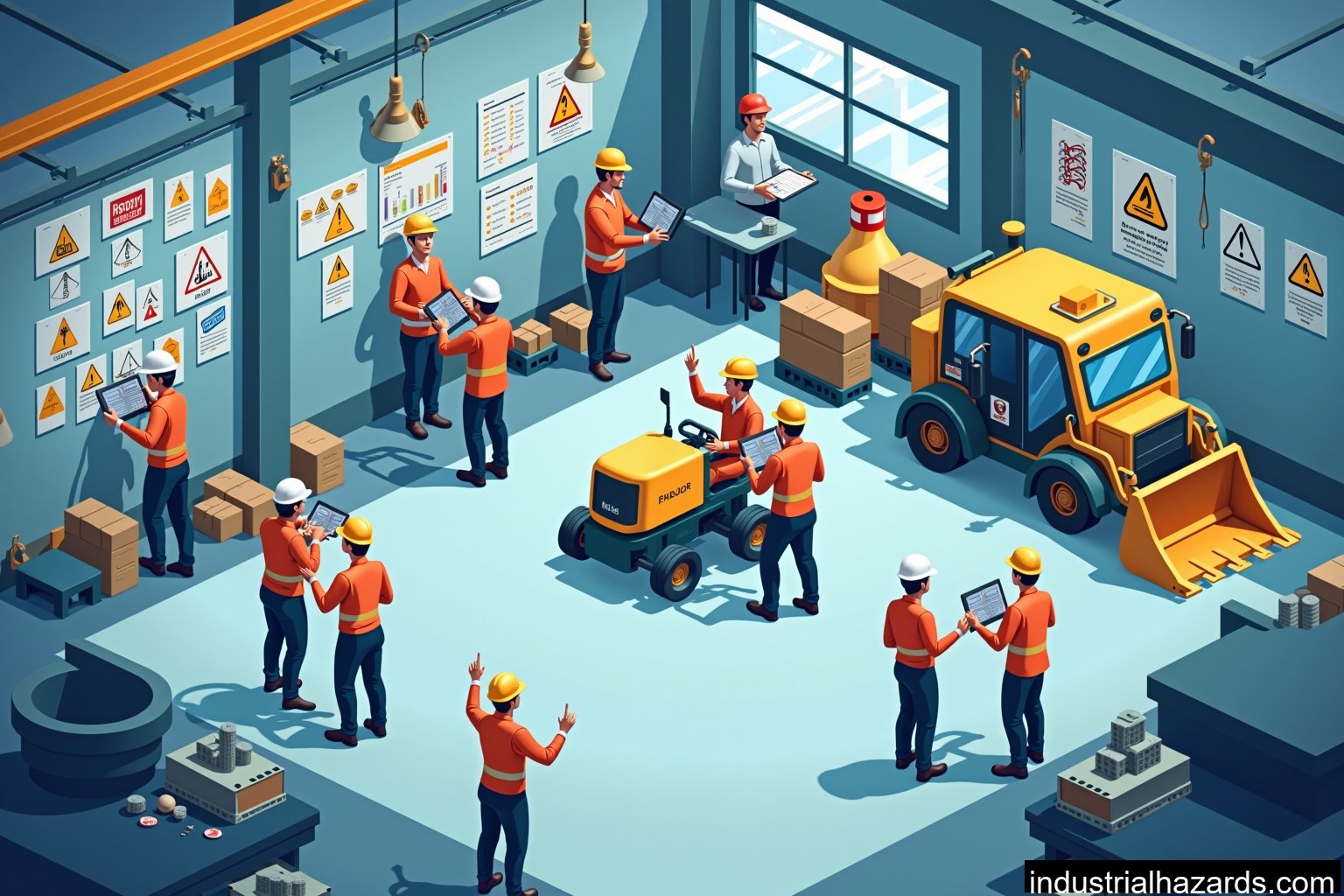
Investing in comprehensive safety training programs and engaging employees in safety initiatives can significantly enhance overall safety performance. Well-informed and empowered employees are more likely to adhere to safety protocols, report hazards, and actively participate in creating a safe work environment.
3. Utilization of Technology for Safety Monitoring
Leveraging advanced technologies such as IoT sensors, wearable devices, and real-time monitoring systems can revolutionize safety practices in industrial settings. These technologies provide valuable data insights, enable proactive risk management, and enhance emergency response capabilities.
4. Collaboration with Industry Experts and Regulatory Bodies
Establishing partnerships with industry experts and regulatory bodies can offer valuable insights into evolving safety standards and best practices. By staying informed about regulatory requirements and industry trends, organizations can adapt their safety protocols to meet compliance obligations and industry benchmarks.
5. Continuous Improvement Feedback Loop
Implementing a feedback loop for continuous improvement allows organizations to learn from incidents, near-misses, and safety observations. By analyzing feedback and implementing corrective actions, businesses can enhance safety practices and prevent reoccurrences of safety incidents.
Conclusion:
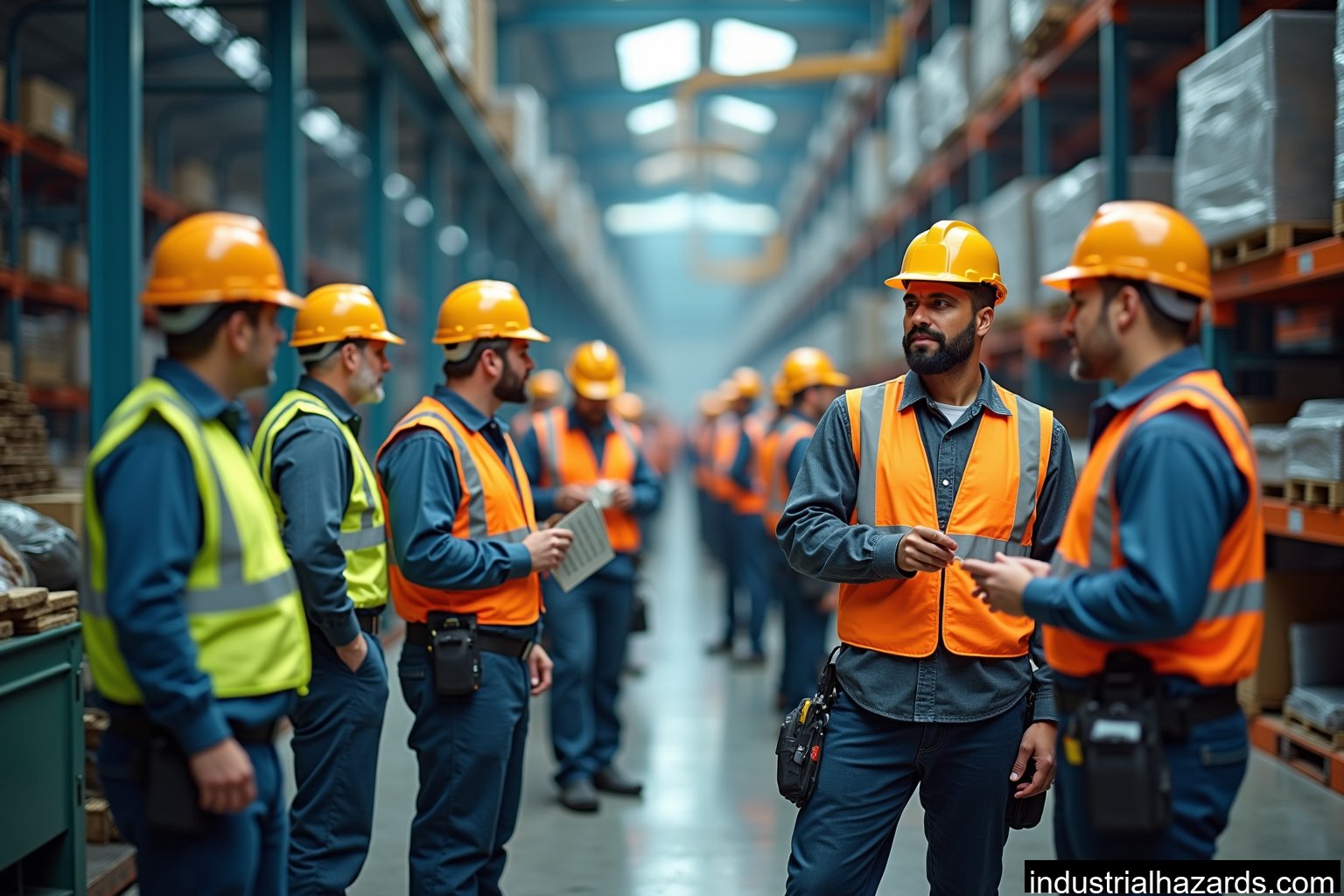
In conclusion, prioritizing continuous improvement in industrial safety practices is crucial for creating a culture of safety, reducing accidents, and fostering a productive work environment. IndustrialHazards.com encourages safety managers, engineers, and industrial workers to embrace the journey of ongoing safety enhancement to safeguard lives and assets in industrial workplaces.
Internal Link Suggestions:
1. "Effective Hazard Communication Strategies" - Link to detailed resources on workplace hazard communication protocols.
2. "Emergency Response Planning Guide" - Link to expert advice on developing robust emergency response plans for industrial incidents.